Blog

Why Don’t Men Talk About Their Feelings?

Posted on 15/05/2026 in men's mental health, Mental Health

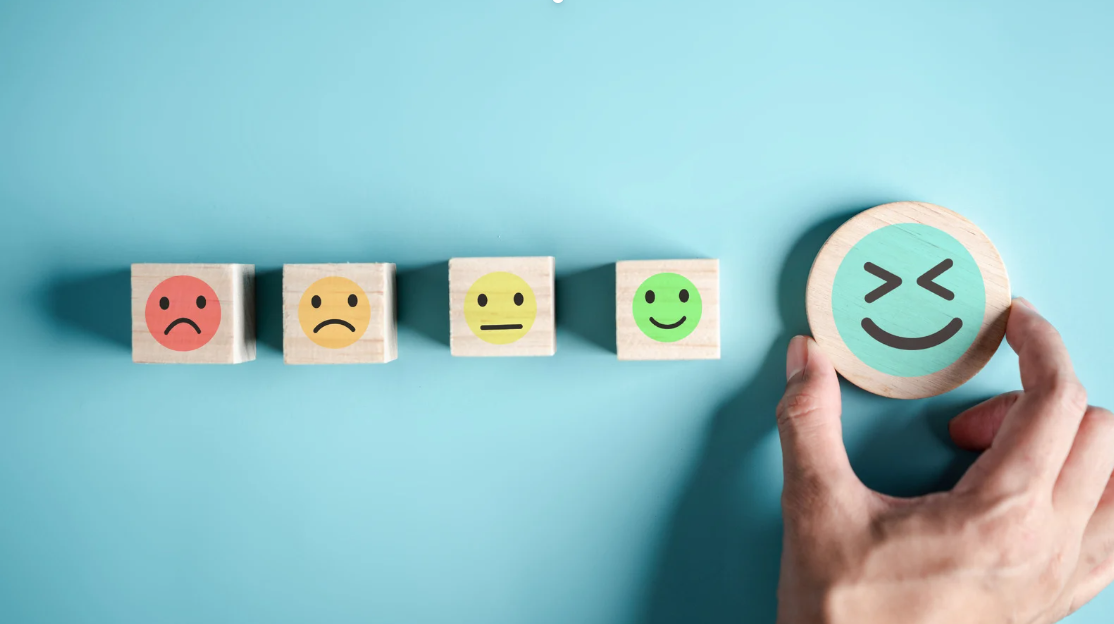
TL;DR: Many men are taught from a young age to suppress emotions and equate vulnerability with weakness, making it difficult to talk openly about their feelings. Over time, this can contribute to stress, isolation, relationship challenges, and declining mental health. Creating supportive, judgment-free spaces and encouraging honest conversations can help men develop healthier ways to express emotions and seek help when they need it.   There’s a moment a lot of people recognize, even if they’ve never lived it themselves. Someone they care about - a father, a brother, a partner, or a friend - is clearly struggling. You can… Read More Here!


Risks and Benefits of AI Mental Health Support

Posted on 06/05/2026 in AI, Mental Health, Mental Health Resources, Therapy

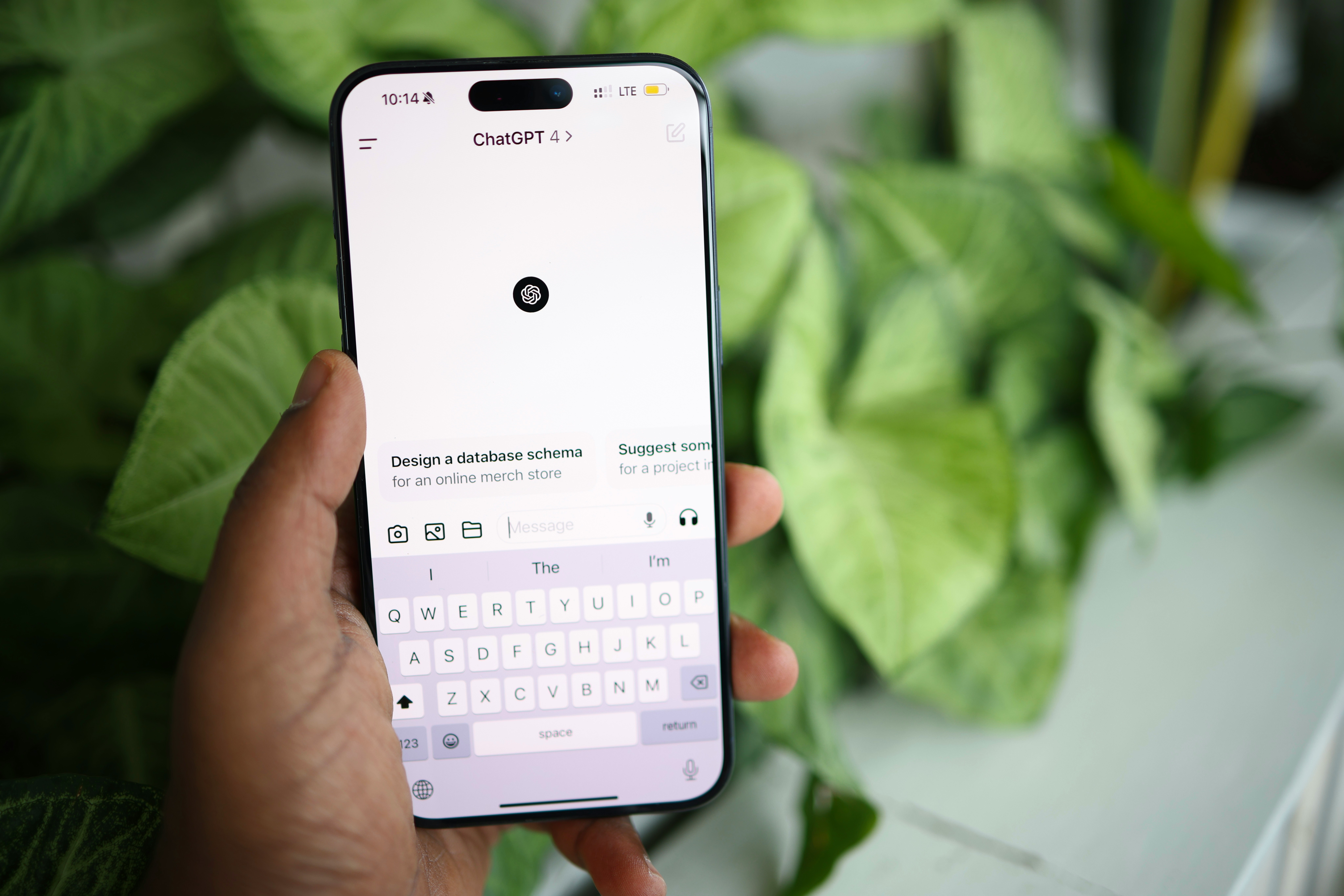
TL;DR: AI is making mental health support more accessible by offering immediate, low-cost assistance, educational resources, and tools for self-reflection. However, it cannot replace the expertise, empathy, and clinical judgment of a trained mental health professional. While AI can be a helpful supplement between therapy sessions or for general wellness, it has limitations around privacy, bias, risk assessment, and personalized care. The most effective approach is to use AI as a supportive tool alongside, rather than instead of, professional mental health care.   In an increasingly technological era, more people are turning to AI platforms for mental health support. Particularly,… Read More Here!


5 Myths About Therapy That Are Holding You Back

Posted on 29/04/2026 in Getting Started with Therapy, Mental Health Stigma

TL;DR: Misconceptions about therapy often prevent people from seeking support when they could benefit from it. Therapy isn't only for people in crisis, and attending doesn't mean you're weak or that a therapist will simply tell you what to do. Instead, therapy provides a collaborative, confidential space to better understand your thoughts, emotions, and behaviours, develop coping strategies, and build skills that support long-term mental well-being, personal growth, and healthier relationships.   If you’ve ever found yourself thinking, “therapy isn’t for someone like me,” you’re not alone. But misinformation often drives that belief.  Misconceptions about therapy and mental health support… Read More Here!


How Physical Activity Changes Your Brain

Posted on 29/04/2026 in Fitness, Health&Wellness, Mental Health, Sports Psychology

TL;DR: Physical activity benefits more than just your body—it also has a powerful impact on brain health and mental well-being. Regular exercise can improve mood, reduce stress and anxiety, strengthen memory and concentration, and support healthier sleep by promoting positive changes in brain function and chemistry. Whether it's walking, strength training, or another form of movement you enjoy, staying active can be an important part of maintaining both physical and psychological health.   When we think about working out, we usually picture physical benefits like a stronger heart or better endurance. However, science shows that some of the biggest changes… Read More Here!

 

Mental Health and Video Games

Posted on 12/03/2026 in Mental Health, Video Games

TL;DR: Video games can have both positive and negative effects on mental health, depending on how and why they're used. In moderation, gaming can reduce stress, improve mood, build social connections, and strengthen problem-solving skills. However, excessive gaming may interfere with sleep, relationships, school or work, and emotional well-being. Maintaining a healthy balance and addressing the underlying reasons for gaming can help ensure it remains a positive part of overall mental health.   For many people, gaming is a way to relax, connect with friends, and take a break from daily stress. In recent years, researchers have begun to study… Read More Here!