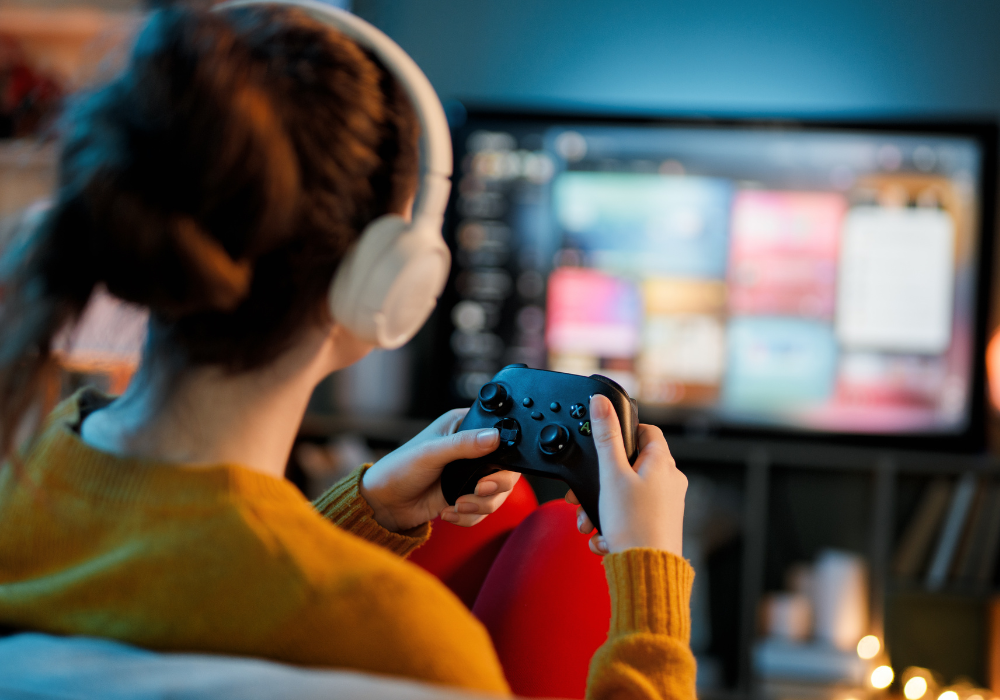
For many people, gaming is a way to relax, connect with friends, and take a break from daily stress. In recent years, researchers have begun to study how video games affect mental health, and the results suggest that gaming can have both positive and negative impacts depending on how and why people play.
More than just a hobby, gaming can influence mood, stress levels, and social connection. New research suggests that moderate video game play may support emotional well-being, while excessive or compulsive gaming can contribute to problems such as sleep disruption, anxiety, and reduced daily functioning.
Understanding how gaming affects mental health can help people develop healthier habits and use games in ways that support their well-being rather than harm it.
How video games can support mental health
Recent psychological and behavioural science studies have identified several ways that video games may benefit mental health when played in moderation.
Emotional regulation
Research has shown that engaging with video games can help people regulate their emotions. Games often provide structured goals and feedback, which can create a sense of achievement and reduce stress.
Stress relief and relaxation
Many players report that gaming helps them decompress after school or work. Studies have found that casual gaming experiences may reduce short-term stress and improve mood.
Social connection
Online multiplayer games can provide meaningful social interaction. For individuals who experience loneliness or social anxiety, gaming communities can offer a sense of belonging and connection.
Cognitive stimulation
Certain types of games such as puzzle, strategy, or action games, can strengthen cognitive skills like attention, problem-solving, and spatial reasoning.
Sense of autonomy and mastery
Video games allow players to make decisions, overcome challenges, and develop skills over time. This sense of progress can increase feelings of competence and motivation.
Signs that gaming may be affecting mental health
While gaming can be beneficial, problems may arise when play becomes excessive or begins to interfere with daily life. Mental health professionals often look for patterns where gaming replaces important responsibilities or relationships.
Emotional and behavioural signs
- Difficulty controlling gaming time
- Irritability or frustration when unable to play
- Using games to avoid stress, anxiety, or difficult emotions
- Loss of interest in other hobbies or activities
- Withdrawing from family and friends
Physical and lifestyle signs
- Poor sleep or staying up late to game
- Fatigue during school or work
- Difficulty maintaining personal hygiene
- Reduced physical activity
- Headaches or eye strain
- Decline in academic or work performance
When is it time to get help?
Gaming becomes a concern when it begins to negatively affect a person’s daily life, relationships, health, or responsibilities.
It may be helpful to seek professional support if you notice:
- Gaming interfering with school, work, or family life
- Feelings of anxiety, depression, or irritability related to gaming
- Difficulty reducing playtime despite wanting to
- Social isolation or loss of interest in other activities
For many individuals, gaming challenges are connected to underlying issues such as stress, loneliness, depression, or anxiety. Addressing those root causes can help restore a healthier balance.
If you or someone you know is struggling with mental health or experiencing thoughts of self-harm, professional help is available. In Canada, crisis services and mental health support can provide immediate assistance.
For support in Alberta:
- Alberta Health Services Mental Health Helpline: 1-877-303-2642
- Edmonton Distress Line: 780-482-HELP (4357)
- Canada Suicide Crisis Helpline: call or text 988
- For an emergency situation, call 911
Mental health treatment approaches
When gaming habits are linked to stress, anxiety, depression, or behavioural concerns, mental health professionals can help individuals build healthier coping strategies. Treatment often focuses on improving emotional regulation, balancing daily activities, and addressing underlying challenges.
Common therapeutic approaches include:
Cognitive Behavioural Therapy (CBT)
CBT is one of the most widely researched treatments for behavioural and mental health concerns. It helps individuals identify patterns of thoughts and behaviours that contribute to distress and replace them with healthier strategies.
Mindfulness-based therapy
Mindfulness approaches help people develop awareness of their emotions, habits, and reactions. This can be particularly helpful for individuals who use gaming as an automatic coping mechanism.
Acceptance and Commitment Therapy (ACT)
ACT helps people learn how to accept difficult thoughts and emotions while committing to meaningful values and behaviours in daily life.
Behavioural therapy
Behavioral approaches focus on building healthier routines and reinforcing positive behaviours, such as balanced screen time, sleep habits, and physical activity.
Family or youth counselling
For younger gamers, therapy may include family support to improve communication, set healthy boundaries around technology, and create balanced routines.
What can healthy gaming look like?
Healthy gaming habits usually include balance, awareness, and intentional use of games for enjoyment rather than avoidance.
Examples of balanced gaming habits include:
- Setting time limits or scheduled gaming sessions
- Taking breaks and prioritizing sleep
- Maintaining hobbies, exercise, and social activities outside gaming
- Playing games that encourage creativity, problem solving, or social connection
- Being mindful of emotional reasons for playing
Research increasingly suggests that video games themselves are not inherently harmful. Instead, mental health outcomes depend on how gaming fits into a person’s overall lifestyle.
What will I get out of treatment with Insight Psychological?
Video games are a powerful form of entertainment that can offer relaxation, connection, and enjoyment. When used in moderation and combined with healthy daily habits, gaming can even support emotional well-being.
However, when gaming becomes the primary way someone copes with stress or avoids difficult emotions, it may be helpful to explore additional support.
Insight’s mental health professionals can help individuals develop healthier coping strategies, strengthen emotional resilience, and create a balanced relationship with technology and gaming.
Insight has many therapists that can support you on this journey. You can book online or call us to set up an appointment for counselling – in-person, online (video), or telephone.
Written by: Selina Kanagasuriam, Registered Provisional Psychologist
Sources:
Egami, H., Rahman, M. S., et al. (2024).
Causal effect of video gaming on mental well-being in Japan 2020–2022. Nature Human Behaviour.
Bryant, J., & McGuire, J. (2024).
Gamified digital mental health interventions for children and adolescents: A systematic review. JAMA Pediatrics.
Johannes, N., Vuorre, M., & Przybylski, A. (2022).
Video game play is positively correlated with well-being. Royal Society Open Science..
Mandryk, R. L., et al. (2022).
Exploring the possible mental health and wellbeing benefits of video games for adult players.